Compartir
Transitioning to Alternative Structures for Housing Finance (en Inglés)
Congressional Budget Office
(Autor)
·
Createspace
· Tapa Blanda
Transitioning to Alternative Structures for Housing Finance (en Inglés) - Congressional Budget Office
Más barato Libro Nuevo
Origen: Estados Unidos
Envío: 10 a 12 días háb.
$ 12.95$ 11.42
Más rápido Libro Nuevo
Origen: Estados Unidos
Envío: 7 a 9 días háb.
$ 17.76$ 16.72
Reseña del libro "Transitioning to Alternative Structures for Housing Finance (en Inglés)"
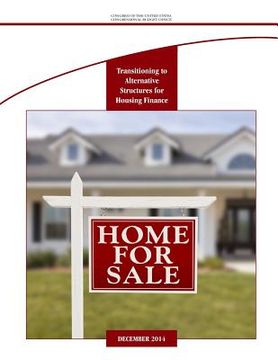
More than six years after the federal government took control of Fannie Mae and Freddie Mac, policy-makers are weighing a comprehensive overhaul of the mortgage finance system that could shrink or eventually close the two entities and create a system with more private capital. Fannie Mae and Freddie Mac were originally chartered as government-sponsored enterprises (GSEs) to ensure a stable supply of credit for residential mortgages nationwide. They operate in the secondary (or resale) market where they buy mortgages from the financial institutions that make the loans (thus ensuring that those institutions have a source of funds to originate new mortgages). Fannie Mae and Freddie Mac then pool those loans to create mortgage-backed securities (MBSs), which they guarantee against defaults on principal and interest payments by borrowers and sell to investors. Through its financial commitment to the two GSEs and its other mortgage programs, the federal government now directly or indirectly insures over 70 percent of all new residential mortgages. Loans guaranteed by Fannie Mae and Freddie Mac account for over two-thirds of those mortgages (about 50 percent of the total amount of mortgages), and loans insured by the Federal Housing Administration (FHA) make up most of the remaining federal share. Such government dominance was not always the case"in the 20 years before the financial crisis that began in 2007, roughly half of all mortgages were financed without backing from the federal government or either of the GSEs. As the effects of the financial crisis have receded and as the housing market has recovered, policymakers have taken some initial steps toward returning to a secondary mortgage market with more private-sector involvement. Those steps include raising the fees that Fannie Mae and Freddie Mac charge for their guarantees to levels that private firms may be better able to compete with. The Congressional Budget Office (CBO) expects that the steps already taken, together with pending changes to financial regulations, will reduce the two GSEs share of the mortgage market over the next 10 years.
- 0% (0)
- 0% (0)
- 0% (0)
- 0% (0)
- 0% (0)
Todos los libros de nuestro catálogo son Originales.
El libro está escrito en Inglés.
La encuadernación de esta edición es Tapa Blanda.
✓ Producto agregado correctamente al carro, Ir a Pagar.