Hasta 50% off y Envío a todo USA y PR por solo $2.99  Ver más

Enviar a
FL
0
  • argentina
  • chile
  • colombia
  • españa
  • méxico
  • perú
  • estados unidos
  • internacional

Selecciona tu país

América

Europa

Resto del mundo

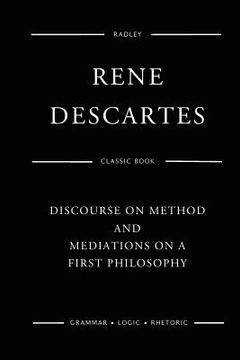
portada Discourse On Method And Meditations On A First Philosophy (en Inglés)
Formato
Libro Físico
Editorial
Idioma
Inglés
N° páginas
188
Encuadernación
Tapa Blanda
Dimensiones
22.9 x 15.2 x 1.0 cm
Peso
0.26 kg.
ISBN13
9781540768599

Discourse On Method And Meditations On A First Philosophy (en Inglés)

René Descartes (Autor) · Createspace · Tapa Blanda

Discourse On Method And Meditations On A First Philosophy (en Inglés) - René Descartes

Libro Nuevo Origen: Estados Unidos
Envío: 7 a 9 días háb.
$ 12.24$ 10.80
-12%
Libro Nuevo

Quedan más de 100 unidades

$ 10.80
Llega entre el 05 Ago y el 11 Ago a FL. Seleccionar ubicación

Reseña del libro "Discourse On Method And Meditations On A First Philosophy (en Inglés)"

The Discourse on the Method (French: Discours de la méthode) is a philosophical and autobiographical treatise published by René Descartes in 1637. Its full name is Discourse on the Method of Rightly Conducting One's Reason and of Seeking Truth in the Sciences. The Discourse on The Method is best known as the source of the famous quotation "Je pense, donc je suis" ("I think, therefore I am"), which occurs in Part IV of the work. (The similar statement in Latin, Cogito ergo sum, is sometimes used.)Meditations on First Philosophy (subtitled In which the existence of God and the immortality of the soul are demonstrated) is a philosophical treatise by René Descartes first published in 1641 (in Latin). The French translation (by the Duke of Luynes with Descartes' supervision) was published in 1647 as Méditations Métaphysiques. The book is made up of six meditations, in which Descartes first discards all belief in things that are not absolutely certain, and then tries to establish what can be known for sure. He wrote the meditations as if he had meditated for six days: each meditation refers to the last one as "yesterday" (In fact, Descartes began work on the Meditations in 1639.) One of the most influential philosophical texts ever written, it is widely read to this day.Each RADLEY CLASSIC is a meticulously restored, luxurious and faithful reproduction of a classic book; produced with elegant text layout, clarity of presentation, and stylistic features that make reading a true pleasure. Special attention is given to legible fonts and adequate letter sizing, correct line length for readability, generous margins and triple lead (lavish line separation); plus we do not allow any mistakes/changes/ additions to creep into the original author's words.Visit RADLEY BOOKS at www.radleybooks.com to see more classic book titles in this series.
René Descartes
  (Autor)
Ver Página del Autor
René Descartes (1596–1650) fue un filósofo, matemático y científico francés, considerado uno de los padres de la filosofía moderna. Nació en La Haye en Touraine, en una familia acomodada, y recibió una formación sólida en el Colegio de La Flèche, uno de los centros jesuitas más prestigiosos de la época. Su curiosidad por el conocimiento lo llevó a interesarse tanto por las ciencias como por la lógica, alejándose progresivamente de la escolástica tradicional.

En el ámbito filosófico, Descartes es célebre por su método basado en la duda sistemática, cuyo propósito era encontrar un fundamento absolutamente seguro para el conocimiento. De este proceso surgió su famosa afirmación “Cogito, ergo sum” (“Pienso, luego existo”), que se convirtió en la base de su sistema racionalista. Sus obras principales, como Meditaciones metafísicas y Discurso del método, marcaron un antes y un después en la filosofía occidental.

Como matemático, hizo contribuciones fundamentales: estableció la geometría analítica, que unió el álgebra con la geometría al introducir el uso de coordenadas para describir figuras. También aportó al desarrollo del método científico y estudió fenómenos físicos como la óptica y el movimiento.

Descartes pasó buena parte de su vida adulta en los Países Bajos, donde escribió la mayor parte de su obra. Murió en Estocolmo en 1650, invitado por la reina Cristina de Suecia. Su legado continúa influyendo la filosofía, la ciencia y las matemáticas hasta la actualidad.
Ver más
Ver menos

Opiniones del libro

Preguntas frecuentes sobre el libro

Todos los libros de nuestro catálogo son Originales.
El libro está escrito en Inglés.
La encuadernación de esta edición es Tapa Blanda.

Preguntas y respuestas sobre el libro

¿Tienes una pregunta sobre el libro? Inicia sesión para poder agregar tu propia pregunta.

Opiniones sobre Buscalibre

Ver más opiniones de clientes