Hasta 50% off y Envío a todo USA y PR por solo $2.99   Ver más

Enviar a
FL
0
es
  • argentina
  • chile
  • colombia
  • españa
  • méxico
  • perú
  • estados unidos
  • internacional

Selecciona tu país

América

Europa

Resto del mundo

Idioma
esEspañolActual
enEnglish
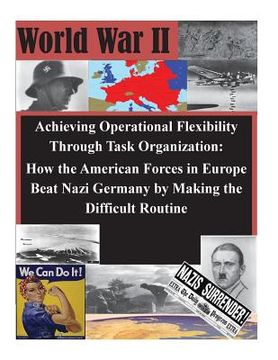
portada Achieving Operational Flexibility Through Task Organization: How the American Forces in Europe Beat Nazi Germany by Making the Difficult Routine (en Inglés)
Formato
Libro Físico
Editorial
Idioma
Inglés
N° páginas
102
Encuadernación
Tapa Blanda
Dimensiones
11.02x8.5x0.2 in
Peso
0.26 kg.
ISBN13
9781502926166

Achieving Operational Flexibility Through Task Organization: How the American Forces in Europe Beat Nazi Germany by Making the Difficult Routine (en Inglés)

U. S. Army Command and General Staff Col (Autor) · Createspace · Tapa Blanda

Achieving Operational Flexibility Through Task Organization: How the American Forces in Europe Beat Nazi Germany by Making the Difficult Routine (en Inglés) - U. S. Army Command and General Staff Col

Más barato Libro Nuevo Origen: Estados Unidos
Envío: 11 a 13 días háb.
$ 12.95$ 11.42
-12%
Más rápido Libro Nuevo Origen: Estados Unidos
Envío: 8 a 10 días háb.
$ 17.76$ 16.72
-6%
Libro Nuevo Más barato

Quedan más de 100 unidades

$ 11.42
Llega entre el 24 Nov y el 01 Dic a FL. Seleccionar ubicación

Reseña del libro "Achieving Operational Flexibility Through Task Organization: How the American Forces in Europe Beat Nazi Germany by Making the Difficult Routine (en Inglés)"

This study proposes operational flexibility resulted from a unique American way of war developed during the interwar period by veterans of the First World War. Three factors - common doctrine, carefully selected leaders, and an effective organizational structure - provided senior commanders the organizational flexibility they required in combat. Without this flexibility, the Army would have had difficulty executing its breakout from the Normandy bridgehead, pursuing the retreating German forces across France, and quickly thwarting the Nazi offensive in the Ardennes at the end of 1944. The interwar school system and stable doctrine enabled a common understanding on how to solve tactical and operational military problems. The high quality and close-knit officer corps, particularly the Regular Army officers who served in senior leadership positions, facilitated the process of unit integration. The design of large unit organizations, and the staff structure which supported them, greatly simplified the process of moving divisions between units to accommodate the changing situation in the face of an aggressive and adaptable enemy. There is a clear parallel between the roles of U. S. Army World War II era corps and modern divisions, and this study highlights several recommendations to ensure flexibility in future conflicts.

Opiniones del libro

Preguntas frecuentes sobre el libro

Todos los libros de nuestro catálogo son Originales.
El libro está escrito en Inglés.
La encuadernación de esta edición es Tapa Blanda.

Preguntas y respuestas sobre el libro

¿Tienes una pregunta sobre el libro? Inicia sesión para poder agregar tu propia pregunta.

Opiniones sobre Buscalibre

Ver más opiniones de clientes